Back to Marketing
Marketing5 min read

Top 7 Video Marketing Trends for 2026

Seven practical video marketing shifts for 2026, from platform-native creative and accessible captions to AI-assisted production and responsible personalization.

Top 7 Video Marketing Trends for 2026

Top 7 Video Marketing Trends for 2026

The useful video trends for 2026 are not predictions about one format replacing everything else. They are changes in how teams plan, produce, adapt, and measure video across platforms. The strongest strategy is still to start with an audience and a job to be done, then choose the format that serves both.

Here are seven shifts worth building into a practical content workflow.

1. Short-Form Becomes an Entry Point, Not the Whole Strategy

Short vertical video remains a major discovery format on TikTok, Instagram Reels, LinkedIn, and YouTube Shorts. YouTube now categorizes eligible square or vertical uploads up to three minutes as Shorts, so “short-form” is no longer limited to a rigid 60-second template. The exact rules can change, so confirm them in YouTube's official Shorts guidance.

The strategic change is to treat a short clip as an entry point. A concise answer, demonstration, or opinion earns attention; a product page, longer tutorial, webinar, or email sequence provides depth.

  • Open with the useful moment instead of a logo animation.
  • Give each clip one clear idea and one next step.
  • Judge performance by the clip's goal, not views alone.

2. Captions and Visual Clarity Become Production Requirements

Captions are not only a response to muted playback. They make spoken content accessible to people who are Deaf or hard of hearing and can help anyone following unfamiliar terminology, accents, or noisy environments. The W3C accessibility guidance distinguishes captions from a raw transcript and explains why synchronized, equivalent information matters.

Automatic captions are a first draft. Review names, numbers, punctuation, speaker changes, and sound cues before publishing. Design the frame so subtitles do not collide with platform controls or cover the subject.

3. Teams Produce Platform-Native Versions from a Shared Master

Cropping one 16:9 file into every feed often produces weak composition and hidden text. In 2026, an efficient workflow starts with a shared master, then creates deliberate versions for the placements that matter: vertical for full-screen mobile feeds, square or portrait where appropriate, and landscape for players that reward width.

Google Ads recommends vertical video assets for vertical-friendly placements and documents the supported aspect ratios in its official video-ad guidance. The broader lesson is to check each platform's current safe zones, duration rules, and asset specifications rather than relying on an old social-media cheat sheet.

4. AI Moves into the Editing Workflow

AI is becoming a set of production tools rather than a separate novelty. Teams use it to draft scripts, transcribe speech, remove silences, generate captions, clean audio, create B-roll, translate dialogue, and assemble a first cut.

That does not make the final result automatic. Generated footage can contain visual errors; captions and translations can change meaning; cloned voices require permission; and suggested cuts can remove useful context. Keep a human review step for facts, rights, brand fit, accessibility, and final pacing.

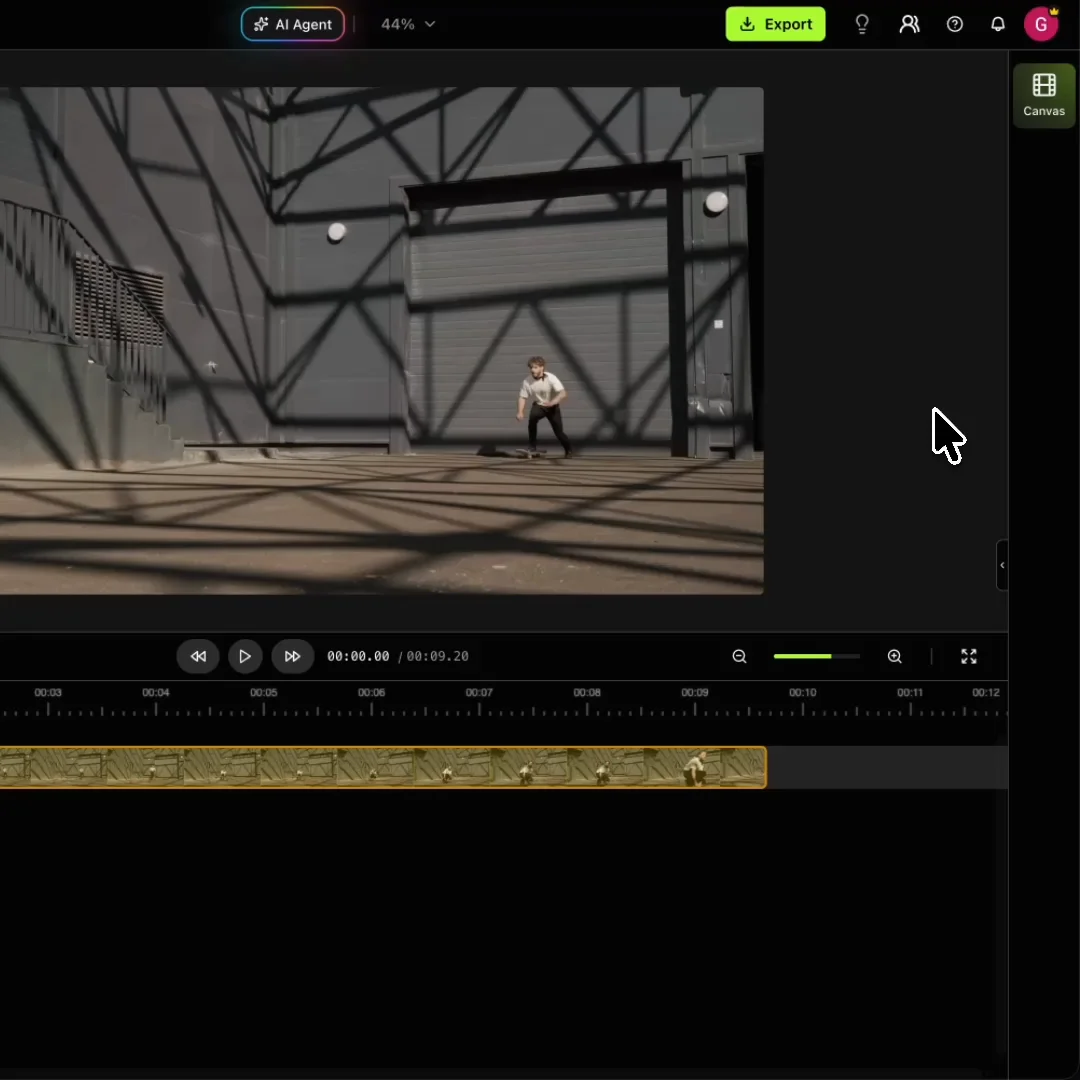
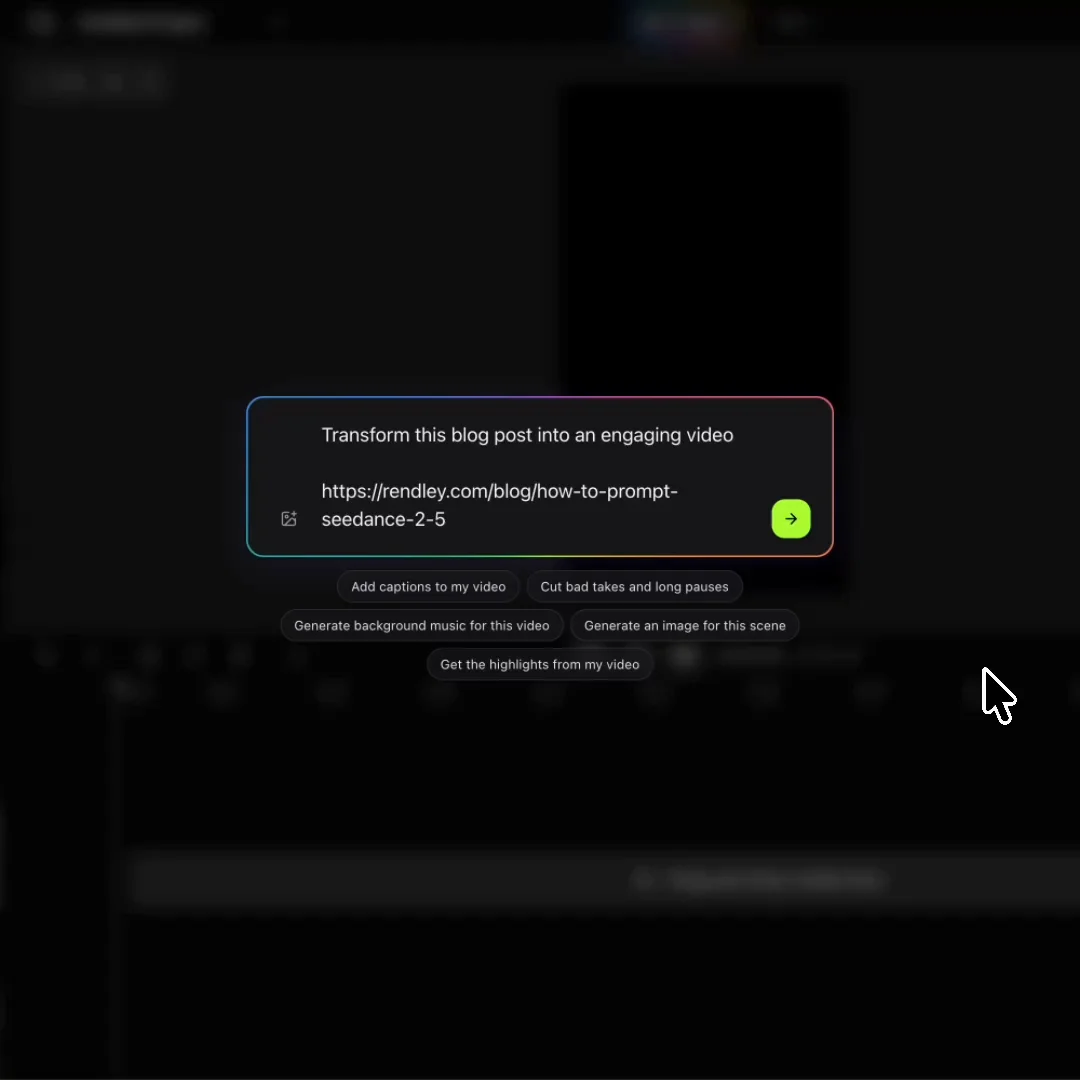
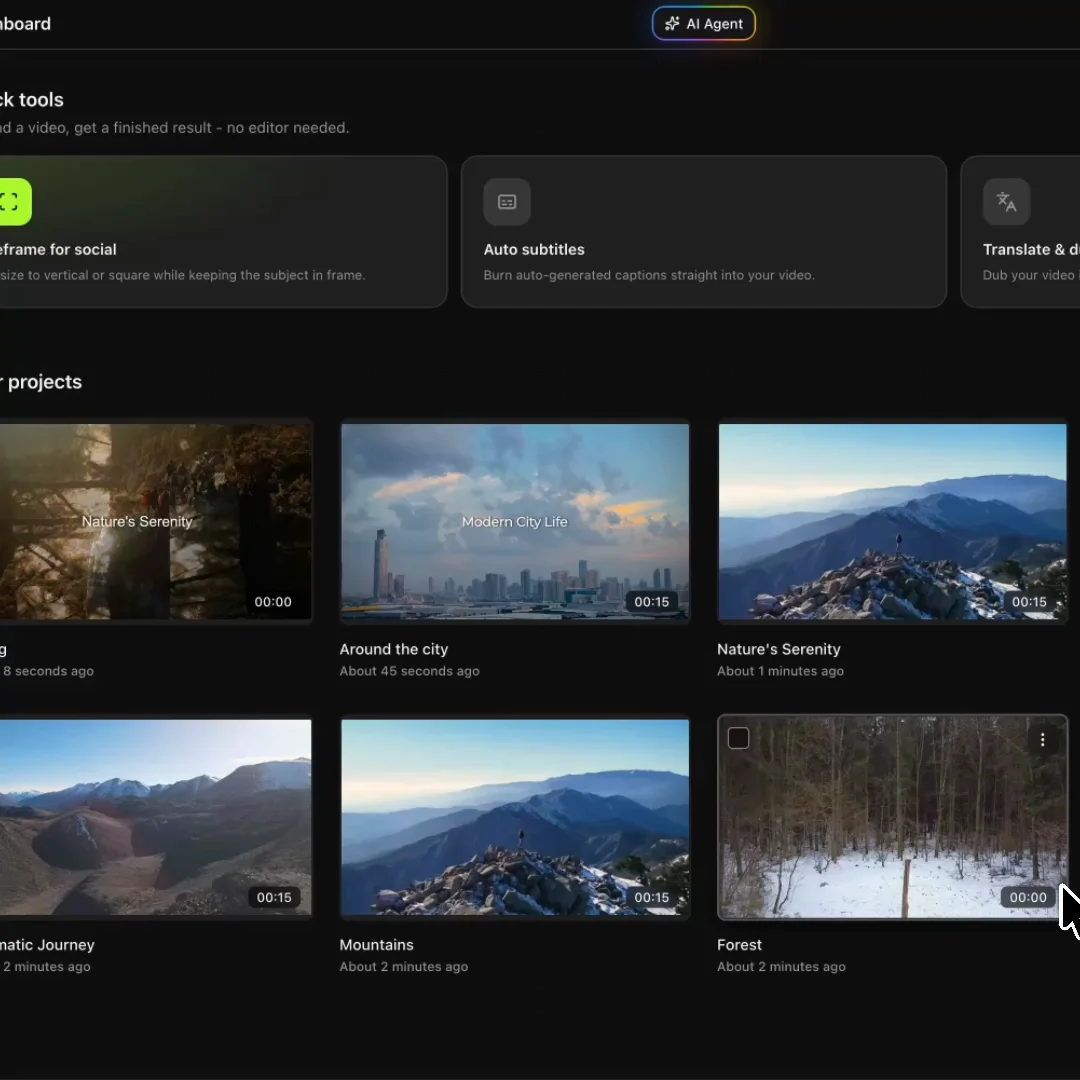
Rendley brings several of these tasks into one browser editing workflow. Its Free plan exports at 720p with a small watermark, while paid plans remove it and unlock higher resolutions.

5. Personalization Becomes Modular and Privacy-Aware

Personalized video does not have to mean generating a unique synthetic presenter for every viewer. Often the safer and more useful approach is modular: change the opening, example, product shot, language, or call to action for a defined audience segment while keeping the approved core intact.

Use only the data needed for the variation, respect consent and platform rules, and avoid revealing sensitive information in a video that might be forwarded. Measure whether the personalized element improves the intended outcome instead of assuming that more personalization is always better.

6. Creator and Customer Content Gets More Structured

Creator partnerships and customer videos can add lived experience that a brand cannot manufacture. The operational trend is better structure around that content: clear briefs, usage rights, disclosure requirements, approval boundaries, and a plan for adapting the source footage into several placements.

Do not label an actor or AI avatar as a customer. For genuine testimonials, preserve the speaker's meaning when editing and substantiate objective product claims. For paid creator relationships, follow the advertising-disclosure rules that apply in each market and platform.

7. Synthetic Media Disclosure Becomes Part of the Brief

As AI-generated presenters, voices, and scenes become easier to create, provenance and disclosure move upstream. Teams should record which assets were generated, which real people granted likeness or voice permission, and what label will accompany the published content.

The EU AI Act includes transparency obligations for certain synthetic or manipulated content, with applicability depending on the system, deployer, context, and phased timeline. Platform policies and advertising law can add separate duties. Clear disclosure is a sensible default, but legal review is appropriate for regulated, political, health, financial, or otherwise high-risk content.

How to Apply These Trends Without Chasing Every Format

Build one repeatable process:

  1. Define the audience, message, and measurable goal.
  2. Produce a strong master with clean rights and source files.
  3. Create a small set of platform-native versions.
  4. Review captions, claims, generated media, and localization.
  5. Publish, compare outcomes, and keep the variants that work.

The durable trend for 2026 is not “make more video at any cost.” It is to make video easier to adapt without giving up accuracy, accessibility, brand judgment, or audience trust.

Source and review note

Platform formats and product features change frequently. This article uses official guidance from YouTube, Google Ads, the W3C, and the EU AI Act. Recheck platform specifications and applicable law before launching a campaign.

Video MarketingMarketing TrendsAI VideoSocial MediaContent Strategy

Your team can ship its first video tonight.

Open Rendley Studio, type a brief, watch the agent draft the cut. The free plan covers everything you need to see the value.

Start for free